Even a Russian would nod respectfully in Poland, a country known for its pierogi dreams, medieval castles, and vodka. You’re undoubtedly wondering is it safe to travel to Poland, if you’ve been eyeing this Central European gem for your upcoming trip.
The short answer? Yes—it’s very safe.
Let’s not stop there, though. Safety is more than just avoiding pickpockets and keeping an eye out for slick cobblestones, whether you’re hiking the Tatra Mountains, exploring the bustling cafes of Warsaw, or strolling the cobbled streets of Kraków. It’s important to be aware of the facts, stay vigilant, and comprehend the culture.
So grab a cup of coffee (or perhaps a shot of Żubrówka) and let’s explore the reality of tourist safety in Poland with a playful twist!
Safety Overview: Poland By The Numbers
Poland is frequently rated as one of the safest European travel destinations. Poland is safer than other countries like the US, France, and the UK, according to the Global Peace Index.
Here’s why:
· Low rates of violent crime
· Public transportation that is dependable and efficient
· Safe cities and rural areas
· Warm and inviting residents
· An advanced healthcare system
Most of the crime is opportunistic and non-violent; think of small-time theft rather than exciting chase scenes.
Is It Safe To Travel To Poland?
Let’s start by addressing the obvious. Poland and Ukraine are neighbors. Some tourists have questioned whether it makes sense to visit a neighboring country since the conflict in Ukraine began in 2022. You can be confident that there are no ongoing military conflicts on Polish territory and that Poland is a member of NATO. The country has increased security and welcomed millions of refugees in a compassionate response to the crisis. In some cities, there is a noticeable but unobtrusive police and military presence, and you will probably see Ukrainian signage in public places.
In short, Poland has not been affected by the circumstances in Ukraine. Every day, tourists continue to come safely.
Crime In Poland: What You Should Know
Although crime in Poland is typically low and non-violent, it is by no means a utopia (unless you define utopia as a place where pierogi and sausage are ubiquitous).
Petty crimes that are frequently committed in tourist areas:
· Pickpocketing in crowded areas, particularly at Warsaw Central Station or Kraków Old Town
· ATM skimming (using ATMs within banks whenever feasible)
· Overcharging in taxis and clubs (always check the meter and ask for a receipt)
Pro Tip: It is not Polish hospitality; rather, it is a scam if someone hands you a menu on the street and directs you to a “VIP gentlemen’s club.”
How to keep yourself safe:
· Keep your valuables close at hand.
· Steer clear of empty, dark streets at night.
· Use authorized taxis (ask for “Taxi” signs bearing the company’s logo and costs).
Public Transportation: Safe And Reliable
Poland’s public transportation system is safe, hygienic, and welcoming to tourists, whether you’re riding the metro in Warsaw, the tram in Wrocław, or the bus in Gdańsk.
Here’s how to keep things smooth:
· Before riding, make sure your ticket is valid (inspectors DO check!).
· During rush hour, keep an eye on your bags.
· For real-time transit directions, use apps like Google Maps or Jakdojade.
· Buses at night? Still safe! However, just like everywhere else, don’t sleep with your phone in your hand.
Solo Female Traveling Alone In Poland
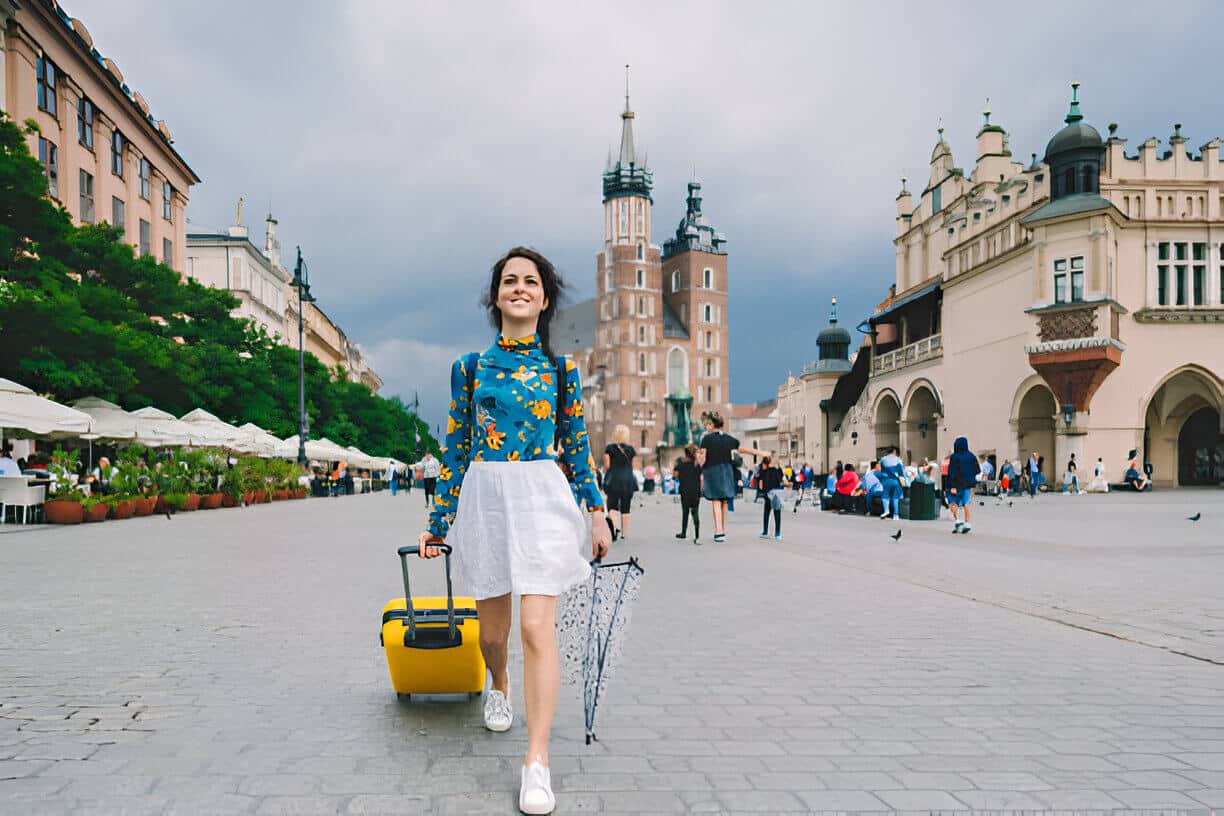
One of the greatest European destinations for females traveling solely is Poland. You can have a stress-free night out because the streets are well-lit and the people are courteous.
Having said that:
· After dark, stay in populated areas.
· Watch what you’re drinking—the vodka is flowing freely!
· Poles are courteous but not demanding, so follow your instincts.
Pro Tip: Polish women don’t put up with nonsense, dress well, and walk quickly. You’ll blend in perfectly if you embrace yourself as a power walker.
LGBTQ+ Traveling In Poland
Some parts of Poland are culturally conservative, but major cities like Warsaw, Kraków, and Gdańsk are welcoming to LGBTQ+ people and progressive. Every year, there are Pride events in cities, as well as friendly places, bars, and gatherings.
In rural towns, however, public displays of affection might attract attention. Uncomfortable, but not dangerous. Always look up specific venues in advance and limit your options to cities for nightlife, community, and support.
Potential Risks To Health Or Natural Disasters?
The good news? Except for bears in the far mountains, which even prefer to be left alone, Poland is free of earthquakes, active volcanoes, and dangerous wildlife.
Poland’s health and safety:
· It is safe to drink tap water.
· Healthcare is available and up to date.
· There are well-stocked pharmacies everywhere.
· The emergency number is 112 (available throughout the EU).
· Bring travel insurance for peace of mind; it will cover unexpected pierogi overdoses, lost luggage, and canceled flights.
Is It Safe To Travel To Poland During Winter?
With snow-covered castles, Christmas markets, and filling soups, Poland’s winters are enchanting, but they can also be chilly. For example, “Where did my nose go?” chilly.
Here are some tips for staying warm and safe:
· Wear layers; thermal underwear will help you stay warm.
· Be cautious when walking on icy sidewalks.
· Although they are rarely canceled, trains may be delayed during periods of heavy snowfall.
· On the plus side, you will have more pierogi if there are fewer tourists.
Local Traditions & Cultural Safety Tips
Do you want to blend in without drawing attention to yourself or making a mistake? Remember these tips:
· Shake hands instead of embracing.
· If you are invited to a house, remove your shoes.
· Although the majority of younger people speak English, don’t assume that everyone does.
· Steer clear of political conversations, especially when they touch on history or current affairs.
· Poles are courteous, proud, and very attached to their roots. You will receive a warm welcome if you respect that.
Helpful Apps & Emergency Contacts
Police, Fire, and Ambulance Emergency Number: 112
Tourist Police: In operation in urban areas throughout the summer
Language Help App: Get Google Translate offline in Polish
Currency: Polish złoty (PLN), not the euro
Safety App: For travel alerts, use a safety app like Sitata or SmartTraveler.
Conclusion
So, is it safe to travel to Poland? Yes, of course!
One of Europe’s safest and most underappreciated travel destinations is Poland. With just enough vodka to keep things interesting, you’ll find history, adventure, friendly locals, and a rich cultural experience.
Like everywhere else, you’re in for a memorable, safe, and fulfilling trip as long as you exercise common sense.
So go ahead and purchase your ticket, prepare your clothing, learn how to say “dziękuję” (thank you), and prepare to fall in love with Poland one dumpling, one castle, and one tram ride at a time.